


Temple is here for you during all seasons of your life and the lives of your loved ones.
We are here to support one another. Are you in need of support for life issues or transitions? Please see the ways Temple can be of service below.
Rabbinic Services
Temple’s rabbis serve our congregants in both joyous and difficult times. Our rabbis reach out one-on-one to offer solace at times of illness, bereavement or grief, and visit the ill and infirm in nursing homes, hospitals and hospice. Please contact us at (206) 323-8486 if you wish to be connected to a rabbi.
Caring Community
No one should have to face a difficult situation or illness alone. Caring Community volunteers assist congregants in many meaningful ways, including rides to doctor appointments and Shabbat services, providing meals post-surgery, and companionship during recovery.
Additional Resources:
A Time to Mourn
Mourner’s Kaddish Companion
Mourner’s Kaddish History
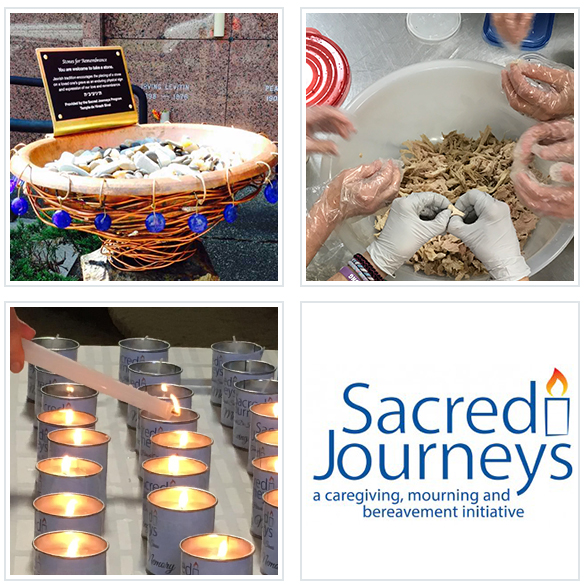
Sacred Journeys
Sacred Journeys reaches out to congregants who are dealing with the death of loved ones or are in a period of mourning.
Unveiling Service
Jewish tradition permits the dedication of a headstone or grave marker any time after the end of Sheloshim, the thirty-day period of mourning. It has become customary, however, to wait until approximately a year after the death to hold the “unveiling” ceremony, so named because a white cotton or linen cover is removed from the marker at that time. The ceremony, which is often brief and without a formal eulogy, may take place on any day except Shabbat or a Jewish holiday.
Sacred Journeys partners with Senior Rabbi Daniel Weiner for Kever Avot, a special service held at the Hills of Eternity Cemetery each year on the Sunday between Rosh Hashanah and Yom Kippur.
Yizkor
During Yom Kippur afternoon services and on each of the pilgrimage festivals – Passover, Shavuot, and Sukkot – a special series of prayers are recited in the synagogue to honor those who have died. Yizkor is from the root meaning “to remember.” Reciting these prayers is an important part of a mourner’s emotional journey. Saying Yizkor during these holidays keeps the memory of our loved ones front-and-center as we continue to live our lives and remember theirs.